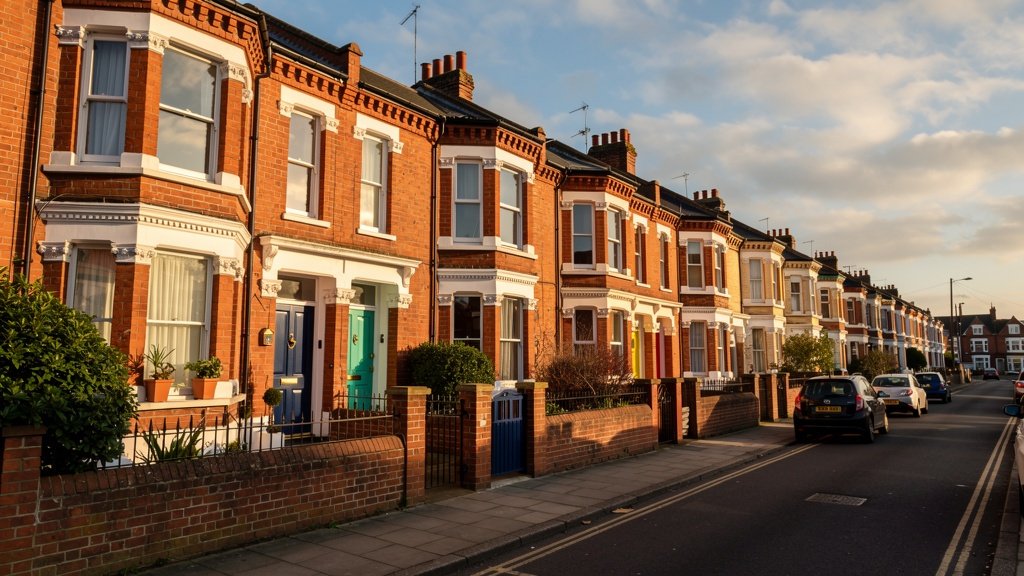
Portsmouth's Victorian terraces are some of the most charming homes in the South of England. They're also some of the most surveyed — and for good reason. Before you fall in love with a bay-fronted Southsea terrace, read this.
I founded Portsmouth Surveyors UK in 2000, and in the years since, I've surveyed hundreds — probably thousands — of Victorian terraced properties across Southsea, Fratton, North End and beyond. These houses have enormous character. They also have specific, predictable vulnerabilities that every buyer should understand before they commit.
This isn't meant to put you off. Portsmouth's Victorian terraces are wonderful homes and sound long-term investments. But going in with your eyes open — and with the right Level 3 Building Survey — is how you protect yourself.
What Makes Portsmouth's Victorian Terraces Different?
Southsea's Victorian terraces were built rapidly between roughly 1860 and 1910, primarily to house the families of Royal Navy servicemen and the growing working and middle classes of an increasingly prosperous port city. They were built quickly, in volume, using the materials and methods of their day — solid brick walls (no cavity), lime mortar, suspended timber floors, slate roofs and single-glazed sash windows.
These construction methods are fundamentally different from modern building practice. They were designed to breathe — to let moisture pass in and out of the walls naturally. Seal them up with modern materials (cement pointing, non-breathable paint, uPVC windows) and you trap moisture inside the building fabric, causing far more damage than the original lime-based construction ever would have.
Understanding this is critical to interpreting a survey report on a Portsmouth Victorian terrace correctly.
Defect 1: Damp — The Most Common Finding
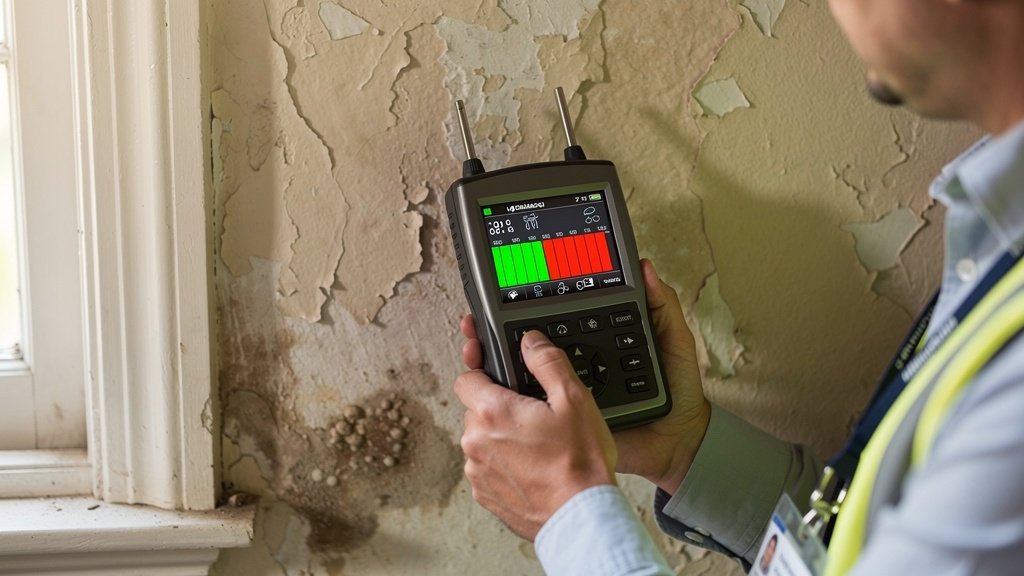
In my experience, some form of damp is the single most common finding in Victorian terraced surveys across Portsmouth. But — and this is really important — not all damp is the same.
When I survey a Victorian terrace, I distinguish between:
- Rising damp: Ground moisture travelling up through solid walls due to failed or absent damp-proof course. Rare in properly maintained solid-wall construction — but common where cement pointing traps moisture.
- Penetrating damp: Rainwater entering through defective roofs, chimneys, pointing, window surrounds or bay roofs. By far the most common form in Portsmouth's seaside terraces.
- Condensation: Internal moisture vapour condensing on cold surfaces. Very common in older properties with poor ventilation — especially where cavity wall insulation has been incorrectly added.
The treatment for each is completely different. A damp-proofing company will almost certainly tell you the answer to all three is an expensive chemical injection — and it almost certainly isn't. A competent survey will correctly identify the source and recommend appropriate, proportionate remedial action.
Defect 2: Roof and Chimney Issues
Victorian terraces in Portsmouth typically have pitched slate roofs with lead flashings, clay ridge tiles, and multiple chimney stacks. These are all areas where age takes its toll.
The most common roof-related findings I make include:
- Slipped, cracked or missing slates — allowing water ingress during heavy rain
- Failed lead flashings around chimney stacks — a very frequent source of penetrating damp through chimney breasts
- Deteriorated or incorrectly repointed chimney stacks — pointing should always be done in lime, never hard cement
- Blocked or defective gutters and downpipes — causing water to overflow and saturate walls
- Flat-roofed bay window roofs in poor condition — these small flat areas deteriorate quickly and are a major source of damp in Southsea terraces
Defect 3: Structural Movement and Subsidence
Portsmouth sits on Portsea Island, which has a high water table and variable ground conditions. Clay subsoil — common across much of the city — is prone to shrinkage in dry summers and swelling in wet winters, which over time can cause differential settlement in walls and foundations.
Signs of structural movement I look for include:
- Diagonal cracking from window and door corners — the classic indicator of differential settlement
- Bulging or leaning front bay windows — extremely common and often caused by corroded iron restraint ties
- Out-of-plumb chimney stacks — which can indicate foundation movement at the corners of the building
- Distortion in roof lines — suggesting movement in the supporting walls or in the original roof structure
Not all cracking indicates active subsidence. Many Portsmouth Victorian terraces show cracks that have been stable for decades. The skill is in correctly assessing whether movement is current or historical — and a Level 3 survey is the only way to get a thorough answer.
Defect 4: Outdated Electrical Installations
Many Portsmouth Victorian terraces still have electrical installations dating from the 1950s, 1960s or even earlier. Original rubber-insulated wiring is a fire risk and should be fully rewired if found. Older fuse boards without circuit breakers or RCD protection should also be upgraded.
A full rewire of a typical Victorian terrace in Portsmouth costs approximately £4,000–£7,000 depending on size. This is often a negotiating point after survey findings.
Defect 5: Unauthorised Alterations
Portsmouth's Victorian terraces have been modified, extended and converted for over a century — and not always legally or competently. Things to watch for include:
- Rear extensions without building regulations approval (very common pre-1985)
- Internal walls removed without proper structural support
- Loft conversions without building control sign-off
- Conversions to HMOs without the necessary licences
Legal issues like these are flagged in a survey for your solicitor to investigate, but they need to be picked up before you exchange contracts.
Which Survey Do You Need?
For any Victorian terrace in Portsmouth — without exception — I recommend a Level 3 Building Survey. The age and construction of these properties, combined with Portsmouth's coastal location and the prevalence of alterations and conversions, means a Level 2 HomeBuyer Survey will not give you the depth of information you need.
Don't let anyone tell you otherwise. The extra cost of a Level 3 is insignificant compared to the potential cost of missing a major defect.
Ready to Survey Your Portsmouth Victorian Terrace?
Our RICS-accredited surveyors have surveyed hundreds of Victorian terraces across Portsmouth. We know exactly what to look for. Get a free, fixed-price quote today →
FAQs About Victorian Terraces in Portsmouth
Yes — Portsmouth's Victorian terraces have historically been strong investments due to their location, character and rental demand from the large naval and student population. The key is commissioning a proper survey so you understand what you're buying and price the repairs into your purchase.
Budget for at least £5,000–£15,000 for a Victorian terrace in typical condition — covering items like repointing, new flat-roof sections, damp treatment and minor structural work. If the property needs rewiring, a new boiler and significant structural work, budgets of £30,000+ are not uncommon. A Level 3 survey with remedial cost estimates gives you real numbers to work with.
Technically yes — but I don't recommend it. A Level 2 HomeBuyer Survey won't give you the structural analysis, construction method assessment or remedial cost estimates that you really need on a pre-1914 property. The extra £150–200 for a Level 3 is money extremely well spent.