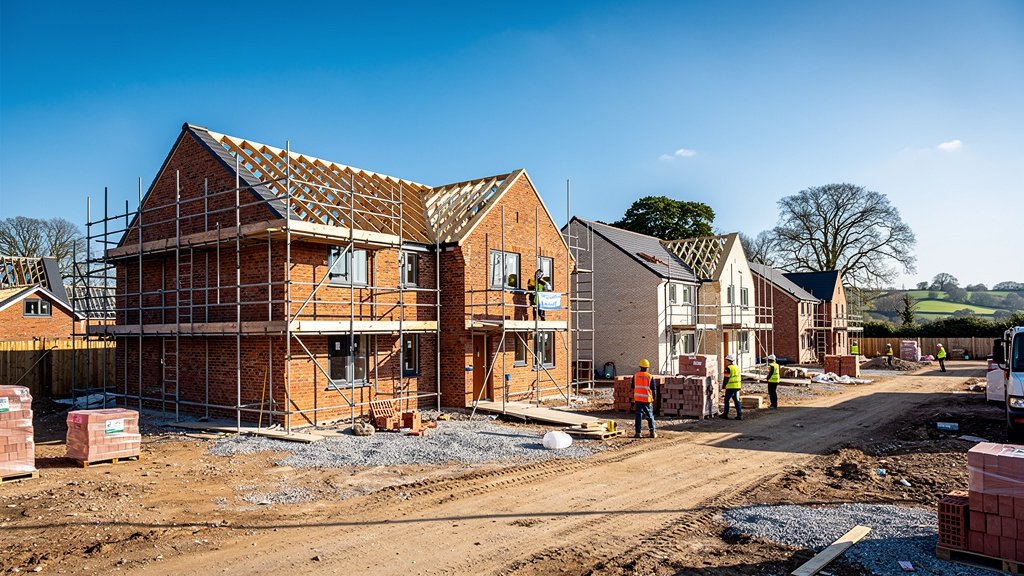
A brand new home should be perfect, right? That's what most buyers assume — and it's exactly what most major developers would prefer you to keep assuming. The reality, as Portsmouth Surveyors UK has documented across hundreds of new build inspections in Hampshire, is rather different. New build properties routinely have dozens of defects, and some of those defects are serious.
Portsmouth Surveyors UK has carried out snagging surveys on new build properties across Portsmouth, Fareham, Gosport, Waterlooville and the wider Hampshire area. From the new developments near Tipner Lake to the regeneration sites in Fratton, we've seen what gets missed when construction is rushed to meet sales targets. This guide will explain why you need a professional snagging survey and what to do with the report once you have it.
What Is a Snagging Survey?
A snagging survey is a detailed inspection of a new build property to identify defects, poor workmanship, and items that fall below the standard required by building regulations or the developer's own specifications. The term "snagging" comes from the construction industry's own term for the process of identifying and listing outstanding work before practical completion.
The critical point is that you — as the buyer — are not obliged to accept a property with defects. You have legal rights under the Consumer Rights Act 2015 and the New Homes Quality Code (if your developer is a member). A professional snagging survey gives you a documented, evidence-based list of defects that your developer is legally required to rectify.
Why Do Brand New Homes Have Defects?
New build defects exist for reasons that are systemic to how the housebuilding industry operates. Understanding the pressures builders are under helps you understand why cutting corners is so common:
Construction Programme Pressure
Volume housebuilders set ambitious targets for completions, and construction teams face intense pressure to hand over properties by specific quarter-end dates. When programme slips, sub-contractors work faster — and quality can suffer. I've inspected properties where wet plaster was painted over before it had properly dried, resulting within months in widespread cracking and delamination.
Multi-Contractor Build Process
New build properties are constructed by a sequence of different sub-contractors — groundworks, brick-laying, roofing, electrical, plumbing, plastering, finishing. Each handover is a potential point of failure. Work completed by one trade can be obscured or damaged by the next. The site manager's role is to catch these issues — but site managers are often managing multiple plots simultaneously.
Seasonal Pressures on Building Work
Properties built during winter months are more prone to certain defects — brickwork laid in cold, wet conditions, rendering applied outside recommended temperature ranges, wet trades (plaster, screed) that haven't had time to dry properly before follow-on work.
What Portsmouth Surveyors UK Typically Finds in New Builds
Based on our new build inspections across Hampshire, here are the most common categories of defect:
Cosmetic Defects (Very Common)
- Paint runs, holidays (missed areas) and splashes on woodwork, windows and walls
- Scratched glass or damaged window frames
- Misaligned or poorly fitted doors that don't close properly
- Uneven grouting, chipped tiles or missing tile spacers in bathrooms and kitchens
- Poorly finished plasterwork — visible trowel marks, hollows, poor corner beads
Building Services Defects (Common)
- Extractor fans not connected or discharging into the wall cavity rather than outside
- Heating system not properly balanced or commissioned
- Mains pressure below specification
- Sockets not flush to the wall or incorrectly positioned
- Waste pipes with insufficient fall, causing slow drainage
Structural and Fabric Defects (Less Common but Serious)
- Missing cavity wall insulation (thermal imaging can identify cold spots)
- Inadequate loft insulation — depth below Building Regulations minimum
- Roof tiles incorrectly lapped, missing or cracked
- Incorrect DPC installation or bridging — creating risk of future damp
- Structural timber not properly supported or with inadequate bearing
- Drainage not falling correctly to manholes — standing water risk
External Defects
- Paths and driveways with cracked or settling paving
- Poor rainwater goods installation — misaligned gutters, leaking joints
- Fencing not correctly installed or using below-specification materials
- Topsoil depth below specification in garden areas
The average number of defects Portsmouth Surveyors UK identifies in a new build inspection is between 50 and 150 items, depending on property size and build quality. Many are minor. But typically 5–15% are significant — issues that need to be rectified before you'd consider the property genuinely complete to specification.
When Should You Commission a Snagging Survey?
Timing is crucial. Ideally, your snagging survey should be completed before legal completion — this gives you maximum leverage over the developer. You can make your willingness to complete conditional on an agreed remediation schedule.
In practice, developers often resist giving access before completion. They may argue that the property isn't "ready" until your moving-in day. This is a negotiating position, not a legal requirement — push back. Portsmouth Surveyors UK can liaise directly with your developer to arrange access.
If pre-completion access is refused, your next best option is to commission the snagging survey as soon as possible after completion — ideally within the first two weeks. Developers are most responsive during this period, before their attention has moved on to the next phase of the development.
You also have a two-year "developer's warranty" period during which the developer is obliged to rectify defects. For structural issues, this extends to 10 years under most NHBC Buildmark warranties. But the longer you leave it, the more the developer will argue that issues are due to your occupation rather than original construction quality.
The New Homes Quality Code
The New Homes Quality Code (NHQC), introduced in 2023, requires registered developers to give buyers a proper period to identify defects, respond to snag lists within specific timeframes, and provide an independent dispute resolution service if disputes arise. If your developer is NHQC-registered, they're bound by these commitments.
However, NHQC membership is voluntary, and many smaller developers haven't registered. Always check before you buy — and if your developer isn't a member, manage your expectations about their willingness to engage constructively with your snag list.
How to Use Your Snagging Report
A professional snagging report from Portsmouth Surveyors UK is a formal document that:
- Itemises every defect with a clear description and photograph
- Categorises defects by priority (cosmetic / maintenance / significant)
- References relevant standards (Building Regulations, NHBC Buildmark requirements, developer's own specifications) where appropriate
- Provides a clear schedule that can be sent directly to your developer
Send the report to the developer's customer care team in writing, requesting confirmation of their remediation programme. Keep records of all correspondence. If items aren't resolved within a reasonable timescale, escalate through the developer's formal complaints process, then to your NHBC warranty provider or NHQC dispute resolution service as appropriate.
Frequently Asked Questions About New Build Snagging in Portsmouth
Can't I just do the snagging myself?
You can compile your own list of cosmetic issues — paintwork, tiles, doors, etc. But a professional snagging survey goes much further: we check roof voids, underfloor spaces (where accessible), loft insulation depths, services commissioning, drainage performance and building fabric in ways that are difficult or impossible for a non-specialist. The defects that have the most significant impact on your property's performance and value are often the ones you'd never notice without professional equipment and expertise.
Will my developer let me in before completion?
Some will, some won't. It depends on the developer and the development. Portsmouth Surveyors UK has established working relationships with several of the major housebuilders active in Hampshire, and we can often facilitate access. Even if pre-completion access is denied, we recommend requesting it formally in writing — the response (or lack of one) can be useful evidence if disputes arise later.
How long does a snagging survey take?
For a typical 3-bedroom new build, allow 3–4 hours for the inspection itself. Our written report is usually delivered within 48–72 hours. We photograph every defect we identify, so the report is comprehensive and immediately usable for correspondence with your developer.
What if my developer ignores my snag list?
First, escalate through the developer's formal complaints process. If that fails, contact your NHBC warranty provider (or equivalent) and the NHQC if applicable. For unresolved disputes, the New Homes Ombudsman Service provides free, independent resolution. In serious cases, you may have recourse through civil litigation — our detailed photographic report provides the evidence base you'd need.
My two-year developer's warranty is about to expire. Is it too late?
A year-two inspection — carried out before your developer's warranty expires — is one of the most cost-effective surveys you can commission. We systematically check for defects that may have developed since completion: settlement cracking, drainage issues, heating system problems, and building envelope defects. Catching these before warranty expiry ensures they're remediated at no cost to you. Contact Portsmouth Surveyors UK well in advance of your two-year anniversary.
Protect Your Investment From Day One
Buying a new build is a significant financial commitment. The assumption that a brand new property is automatically defect-free is one that costs Portsmouth buyers real money every year — either in unrectified defects that reduce the property's value, or in repair bills that should have been the developer's responsibility.
Portsmouth Surveyors UK provides professional snagging surveys for new build properties across Portsmouth, Hampshire and the surrounding area. Our reports are detailed, photographic, and structured to give you maximum leverage with your developer.